SEO & organic
How to rank your business on Google Maps: a guide for home service businesses in the US
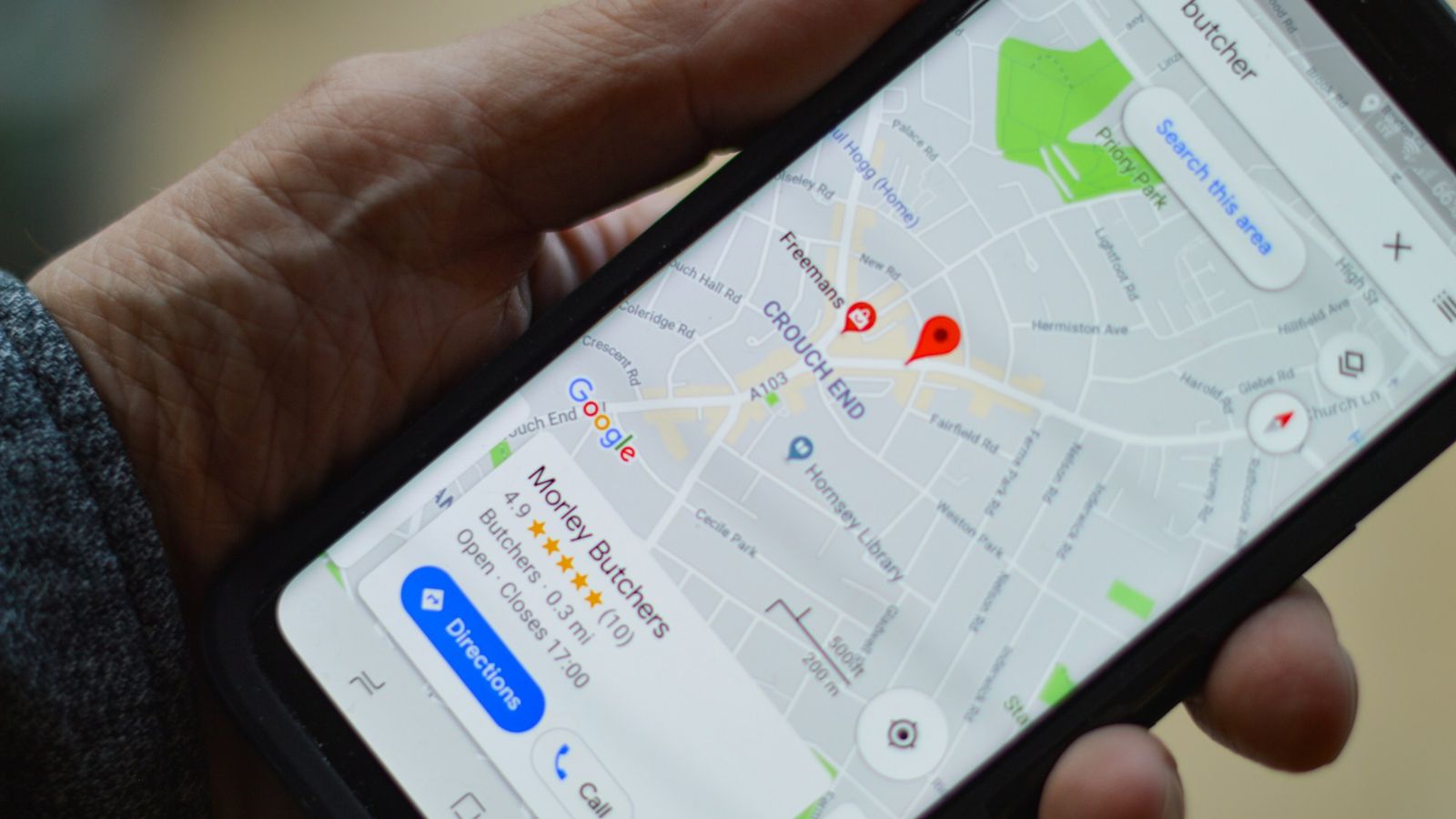
When someone searches 'plumber near me' or 'roofing in [your city]', Google doesn't show the whole internet. It shows a map with three highlighted businesses (the 'Local Pack') and a longer list below. If you're not on that map, you're invisible to most people searching with the intent to hire today.
What actually moves the ranking
- A complete Google Business Profile: the right category, real hours, up-to-date photos and a well-defined service area.
- Recent, steady reviews: not 50 reviews from two years ago, but a continuous flow of new reviews with replies from the business.
- Consistent name, address and phone number (NAP) across every directory where you appear.
- Local content on your website: specific pages by city or service area, not one generic page for the whole state.
The most common mistake
Most home service businesses have a half-finished Google Business Profile and no system for asking for reviews. The result: a competitor with half your experience but 80 recent reviews takes your spot on the map.
Asking for reviews shouldn't depend on remembering. A simple system (an automatic text after every finished job, with the direct link to leave a review) gets more results than any technical SEO trick.
Organic and paid don't compete, they complement each other
Local SEO takes months to mature. While you build that base, paid ads (Facebook Ads and Google Ads) bring you customers this week. The strategy that works isn't choosing one or the other: it's using paid ads for immediate cash flow while organic work compounds results that, over time, lower your overall acquisition cost.